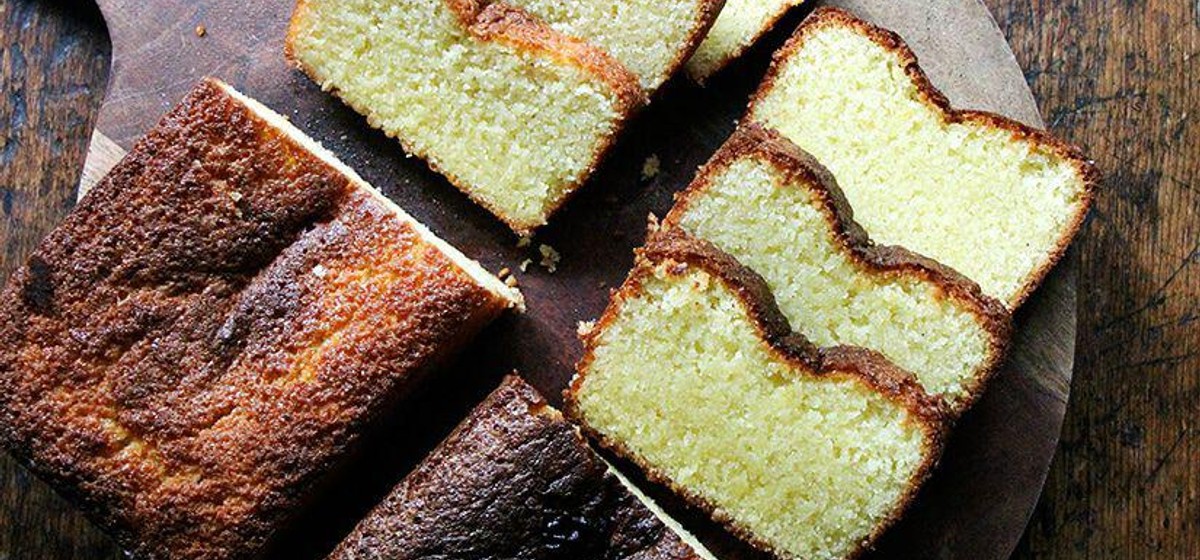
The culinary world often hails Yotam Ottolenghi as a visionary, and his collection of recipes consistently delivers show-stopping dishes that tantalize the senses. Among his many celebrated creations, the Ottolenghi's Lemon Semolina Cake stands out as a true masterpiece. Beloved for its unique, tender-crumbly texture and vibrant citrus notes, this cake, often found in mini form, has become a staple for many home bakers.
While the original recipe is undeniably delicious, its intense lemon flavor can sometimes be a point of discussion. As one home baker noted, they "toned down the lemony taste to make it more palatable for [their] Lemon and Lime Pie-hating family." This highlights the beauty of baking: recipes are not rigid rules, but rather a canvas for personal expression. This article will guide you through customizing the lemon intensity of your Ottolenghi's Lemon Semolina Cake, focusing on the critical roles of zest and syrup, allowing you to tailor this exquisite treat to your precise preferences.
The Allure of Ottolenghi's Lemon Semolina Cake: A Culinary Masterpiece
Hailing from the acclaimed cookbook Sweet: Desserts from London’s Ottolenghi by Yotam Ottolenghi and Helen Goh, this cake is more than just a dessert; it's an experience. Its distinctiveness lies in the harmonious blend of fine semolina and almond meal, which contributes to its signature texture—soft, yet satisfyingly crumbly. Unlike conventional flour-based cakes, the semolina introduces a delicate grit and a subtle chewiness, while the almond meal ensures a moist, tender crumb that melts in your mouth.
What truly elevates the Ottolenghi's Lemon Semolina Cake is its multi-layered lemon profile. It's not just a hint of citrus; it's a full symphony of lemon, incorporated through zest and juice in the batter, and then further amplified by a generous dousing of lemon syrup post-baking. This creates a cake that is simultaneously bright, tangy, and deeply aromatic, making it an ideal companion for a cup of coffee or tea. Its common presentation as mini cakes also offers portion control, a delightful bonus for those who appreciate small indulgences.
Decoding Lemon Intensity: Zest vs. Juice in Baking
To effectively customize the lemon flavor in your Ottolenghi's Lemon Semolina Cake, it's crucial to understand the distinct contributions of lemon zest and lemon juice. While both come from the same fruit, they impart very different flavor characteristics to your baked goods.
- Lemon Zest: The Aromatic Powerhouse
The zest, the outermost yellow layer of the lemon peel, is packed with concentrated essential oils. These oils carry the brightest, most aromatic, and most "lemony" notes. When you add zest, you're introducing a floral, fragrant burst of lemon without significant acidity. It’s responsible for that unmistakable "fresh lemon" smell and taste. - Lemon Juice: The Tangy Acidifier
Lemon juice, on the other hand, primarily contributes tartness and acidity. It brightens flavors, provides a sour kick, and can react with leavening agents like baking powder to aid in the cake's rise and texture. While it adds a clean, citrusy tang, it lacks the complex aromatic depth found in the zest.
Understanding this distinction is the first step in fine-tuning your Ottolenghi's Lemon Semolina Cake to achieve your desired level of citrus punch.
Customizing Lemon Zest for Your Perfect Ottolenghi's Lemon Semolina Cake
The original recipe calls for 3/4 tsp of lemon zest in the cake batter and an additional 1/2 tsp in the syrup. This combination provides a robust lemon aroma and taste. Here’s how you can adjust it:
- Increasing Zest for More Aromatic Power: If you adore a deeply fragrant, sunshine-bright lemon flavor, consider increasing the zest. You could go up to 1 to 1.5 teaspoons in the cake batter and 3/4 to 1 teaspoon in the syrup. This will intensify the lemon's "top notes" and overall brightness without making the cake overly tart. Pro Tip: Always use organic, unwaxed lemons when zesting, and use a microplane grater to ensure you only get the yellow part, avoiding the bitter white pith.
- Decreasing Zest for a Milder Flavor: For those who find the original recipe a bit too lemony, or as a way to let other flavors like almond or the unique semolina shine through, reducing the zest is a simple solution. You might try cutting the zest in the cake batter to 1/2 tsp and the syrup zest to 1/4 tsp, or even omitting it from the syrup entirely if you wish for a very subtle hint. This allows for a more understated citrus presence.
Small adjustments, even by 1/4 teaspoon, can make a noticeable difference in the overall flavor profile of your Ottolenghi's Lemon Semolina Cakes: Soft, Crumbly, Zesty Delight.
Mastering the Lemon Syrup: A Key to Flavor & Moisture
The lemon syrup is a non-negotiable component of the Ottolenghi's Lemon Semolina Cake, serving not only as a flavor enhancer but also as a crucial moistening agent. The original syrup recipe combines 1/2 tsp lemon zest, 3 tbsp lemon juice, and 1/3 cup sugar, simmered to perfection and generously brushed over the hot cakes.
- Adjusting Syrup Lemon Intensity:
- For More Zest/Juice: To truly amp up the lemon punch, particularly on the cake's surface, increase both the zest and juice in the syrup. Adding an extra tablespoon of lemon juice or another 1/4 teaspoon of zest will make the syrup more vibrant and tangier.
- For Less Zest/Juice: Conversely, if you prefer a milder finish, reduce the lemon juice to 2 tablespoons and omit the zest from the syrup. This will result in a sweeter, less aggressively lemony crust, allowing the cake's internal flavor to take center stage.
- Adjusting Syrup Quantity and Sweetness:
- Generosity Matters: The reference emphasizes brushing the syrup "generously." Applying more syrup will yield a much moister cake with a more pronounced lemon kick, while less syrup will result in a slightly drier cake with a subtler flavor. Experiment to find your perfect balance.
- Sugar Content: The syrup also contributes significantly to the cake's overall sweetness. If you find the cake too sweet, you could slightly reduce the sugar in the syrup (e.g., to 1/4 cup) or in the cake batter itself.
- Creative Alternatives: One intriguing suggestion from the reference context is to "do away with the syrup altogether and top these mini cakes with a simple Labneh frosting." This is a bold move that completely transforms the cake's character. A tangy Labneh (strained yogurt) frosting would provide a creamy, less sweet counterpoint to the lemon, offering a delightful contrast to the cake's texture. You could also opt for a light dusting of powdered sugar or a dollop of unsweetened whipped cream for a less intense finish.
Beyond Zest & Syrup: Other Customization Opportunities
While zest and syrup are primary levers for lemon intensity, other elements of this versatile Ottolenghi's Lemon Semolina Cake can also be tweaked to suit your taste:
- Sweetness Levels: The cake batter itself contains 1 cup plus 2 tbsp of caster sugar. If you prefer a less sweet cake, especially considering the syrup, you could reduce the sugar in the batter by 1/4 cup. Remember, sugar also affects moisture and tenderness, so significant reductions might alter the texture.
- Texture Variations:
- Semolina Granularity: The recipe specifies "fine variety" semolina. Using a slightly coarser semolina could introduce a more pronounced, chewier texture, adding another dimension to the cake.
- Almond Meal to Flour Ratio: The reference alludes to adding flour for more binding. While almond meal contributes to a moist, crumbly cake, adding a small amount (e.g., 1/4 cup) of all-purpose flour and reducing the almond meal can create a slightly sturdier, less crumbly cake, though it might sacrifice some of that signature tenderness.
- Complementary Flavor Pairings: Don't limit yourself to just lemon!
- Floral Notes: Add a splash of rosewater or orange blossom water to the syrup for an exotic, aromatic twist.
- Herbal Infusions: Simmer a sprig of fresh rosemary or thyme with the lemon syrup for a sophisticated, earthy undertone.
- Spices: A pinch of cardamom or a whisper of ginger in the cake batter can add warmth and complexity.
- Other Citrus: Combine lemon with lime or orange zest and juice for a multi-citrus cake.
- Serving Enhancements: While perfect with coffee or tea, these mini cakes can be elevated further. Serve them with fresh berries, a dollop of Greek yogurt or crème fraîche, or even a scoop of vanilla bean ice cream. These additions can balance the sweetness and tartness, enhancing the overall experience. This also aligns with the idea of being able to Ottolenghi's Lemon Semolina Cakes: Soft, Crumbly, Zesty Delight and controlling intake by savoring each bite.
Baking Tips for a Flawless Custom Ottolenghi's Lemon Semolina Cake
Regardless of your chosen customizations, adhering to sound baking practices ensures a delicious outcome:
- Quality Ingredients: Always use fresh, high-quality ingredients. Room temperature unsalted butter is crucial for proper creaming, and fresh lemons will yield the best zest and juice.
- Creaming Butter and Sugar: The recipe emphasizes creaming the butter, lemon zest, and sugar until "very light." This step is vital as it incorporates air, which determines the cake's rise and light texture. Do not rush this process.
- Gentle Mixing: Once the dry ingredients and lemon juice are added, mix until just combined. Overmixing can develop gluten in the small amount of flour (if added) or semolina, leading to a tougher cake.
- Proper Pan Preparation: The reference warns that the batter "springs up" and that regular cupcake liners might not work, advising parchment paper instead. While the initial instruction says to "line a 12-muffin pan with paper liners," it's best to use good quality, sturdier parchment paper liners designed for muffins or to grease and flour your muffin tin meticulously to prevent sticking. If making a larger cake, line the bottom with parchment paper and grease the sides well. These details are key to ensuring your Bake Ottolenghi's Lemon Semolina Cakes: Tips for Perfect Mini Treats come out cleanly.
- Immediate Syrup Application: Brush the hot syrup onto the cakes immediately after they come out of the oven. The warm cakes will readily absorb the syrup, infusing them with flavor and moisture.
- Patient Cooling: Allow the cakes to cool completely in the muffin pan before attempting to remove them. This gives the syrup time to fully absorb and set, and prevents the delicate cakes from falling apart.
Customizing Ottolenghi's Lemon Semolina Cake is a delightful journey of culinary exploration. By understanding the interplay of lemon zest and juice, and by making thoughtful adjustments to the syrup and other components, you can craft a cake that perfectly suits your palate. Whether you prefer a subtle whisper of lemon or a bold, zesty declaration, this iconic recipe offers endless possibilities for personalized perfection. So, grab your lemons, preheat your oven, and embark on your own delicious adventure!
