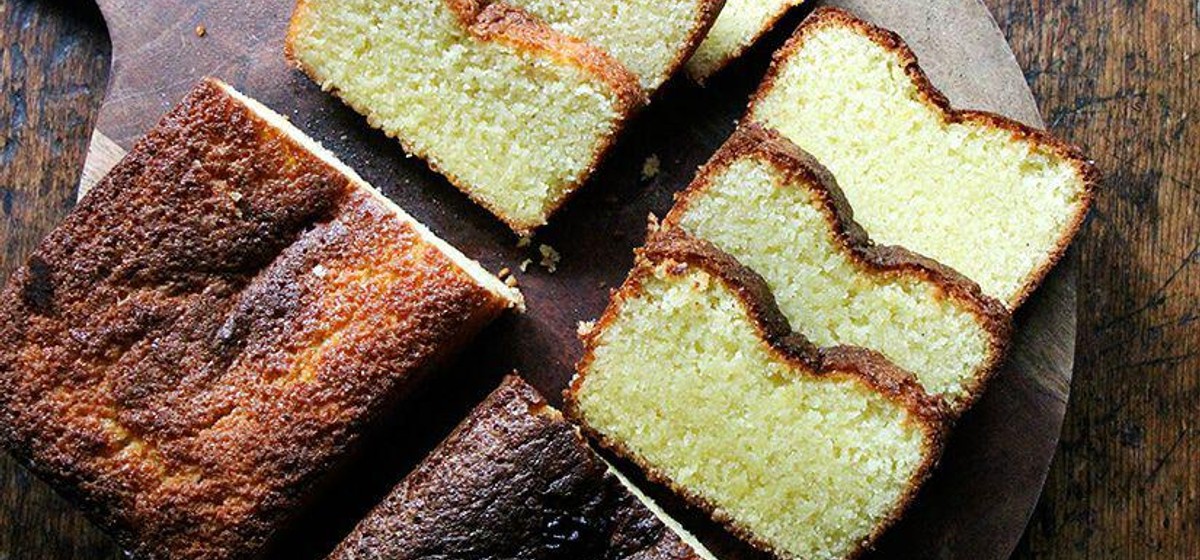
Ottolenghi's Lemon Semolina Cakes: A Zesty Journey into Unforgettable Texture and Flavor
Yotam Ottolenghi and Helen Goh have an unparalleled knack for transforming simple ingredients into extraordinary culinary experiences. Among their most cherished creations, the **Ottolenghi's lemon semolina cakes** stand out as a testament to their genius. These delightful mini treats are more than just a dessert; they are a sensory journey, offering a unique blend of soft, crumbly texture, intense citrus brightness, and a sophisticated charm that makes them instantly addictive. Whether you're a seasoned baker or simply looking to impress with something truly special, this recipe promises breathtakingly delicious results, as is often the case with any Ottolenghi endeavor.
For those familiar with Ottolenghi's work, the expectation of deep, layered flavors is a given. This particular recipe, famously featured in their "Sweet: Desserts from London’s Ottolenghi" cookbook, doesn't just meet these expectations—it surpasses them. It reimagines the classic lemon cake, infusing it with Middle Eastern influences through the thoughtful inclusion of fine semolina and almond meal, culminating in a dessert that is both comforting and exquisitely refined.
The Magic Behind the Crumb: Semolina, Almond, and the Citrus Symphony
What makes **Ottolenghi's lemon semolina cake** so uniquely appealing lies in its carefully chosen ingredients and how they interact to create a distinctive profile. Unlike traditional flour-based cakes, the inclusion of semolina and almond meal is a game-changer, imparting a texture that is simultaneously soft, moist, and delightfully crumbly, with a gentle, satisfying chew.
*
Fine Semolina: This coarse durum wheat flour is a staple in many cuisines, often used for pasta or savory dishes. In baking, especially for cakes like this one, fine semolina introduces a unique structure that prevents the cake from becoming overly dense while contributing a subtle, slightly grainy texture that is utterly charming. It’s what gives these cakes their signature "crumbly" character, a pleasant departure from the uniform softness of traditional sponge cakes.
*
Almond Meal (or Almond Flour): Beyond adding a rich, nutty depth of flavor, almond meal plays a crucial role in the cake's moistness and tenderness. Its fat content helps keep the cakes from drying out, while its fine texture contributes to the overall melt-in-your-mouth quality, perfectly complementing the slight grit of the semolina.
*
The Lemon Trilogy: Ottolenghi and Goh are masters of layering flavor, and in these semolina cakes, lemon is undeniably the star. The recipe calls for lemon zest, fresh lemon juice within the cake batter, and an invigorating lemon syrup brushed over the hot cakes after baking. This trifecta ensures a robust, multi-dimensional citrus experience. The zest provides aromatic oils, the juice offers a bright tang, and the syrup infuses moisture and a concentrated burst of sweet-tart goodness. While some might consider it a "lemon overload," for citrus aficionados, it's nothing short of perfection—a bold and exhilarating flavor profile that truly awakens the palate.
The combined effect of these ingredients is a cake that is light yet substantial, incredibly moist, and bursting with fresh, vibrant lemon flavor. It's a delicate balance of textures and tastes that only Ottolenghi and Goh could so expertly achieve.
Crafting Your Zesty Masterpiece: A Step-by-Step Guide with Insider Tips
Baking **Ottolenghi's lemon semolina cakes** is a joyous process, and understanding the nuances of each step will ensure your mini treats are nothing short of spectacular. Here's how to achieve that perfect soft, crumbly, and zesty delight:
Preparing for Success
- Preheat and Line: Start by preheating your oven to 170°C (340°F). For muffin pans, it's crucial to line them properly. While paper liners can work, many bakers, including insights from the recipe's enthusiasts, recommend using parchment paper liners or greasing and flouring the pan meticulously. The cake batter can spring up, and its unique texture, combined with the syrup, can lead to sticking if not adequately prepared. A well-lined pan ensures easy release and beautifully formed cakes.
- Dry Ingredients Harmony: In a medium bowl, whisk together the almond meal, fine semolina, baking powder, and salt. Whisking ensures these dry ingredients are evenly distributed, leading to uniform rise and texture in your cakes. Set this aside.
The Heart of the Cake: Wet Ingredients and Batter Mixing
- The Creaming Stage – A Crucial Foundation: In a separate, larger bowl, using a hand mixer on high speed, cream the unsalted butter (at room temperature), caster sugar, and lemon zest until the mixture is very light, fluffy, and pale. This step is paramount. The creaming process incorporates air into the butter and sugar, creating tiny pockets that expand during baking, contributing significantly to the cakes' rise and light texture. Don't rush this!
- Eggs for Structure and Gloss: Gradually add the eggs, one at a time, beating well after each addition until the mixture becomes glossy and fully emulsified. Eggs act as binders and add richness, and incorporating them slowly helps maintain the airy structure built in the previous step.
- Bringing it All Together: With the mixer on low speed, gradually add the whisked dry ingredients to the wet mixture, alternating with the fresh lemon juice. Beat just until everything is well incorporated. Be careful not to overmix, as this can develop the gluten in the semolina and lead to tougher cakes. A few lumps are fine; you're aiming for a cohesive, smooth batter.
Baking and the Transformative Syrup
- Baking to Golden Perfection: Divide the batter evenly among your prepared muffin molds. Bake for approximately 25-30 minutes, or until the tops are golden brown and a skewer inserted into the center of a cake comes out clean. Baking times can vary depending on your oven (fan-assisted ovens may be quicker), so keep a close eye on them.
- The Magical Lemon Syrup: While the cakes are baking, prepare the essential lemon syrup. In a small saucepan, combine the lemon zest, fresh lemon juice, and sugar over low heat. Bring it to a boil, then reduce the heat to low and let it simmer gently for about 3 minutes until the sugar is fully dissolved and the syrup slightly thickens. Remove it from the heat.
- Infusion and Cooling: The moment the cakes emerge from the oven, immediately and generously brush the warm lemon syrup over each one. The hot cakes will readily absorb the syrup, drawing in moisture and intensifying the lemon flavor. Allow the cakes to cool completely in the muffin pan before turning them out. This allows the syrup to fully penetrate and set, preventing them from falling apart.
For even more detailed tips on achieving bakery-quality results, check out our guide on
Bake Ottolenghi's Lemon Semolina Cakes: Tips for Perfect Mini Treats.
Customization and Serving Suggestions
One of the beautiful aspects of **Ottolenghi's lemon semolina cakes** is their adaptability. If the idea of a triple lemon hit sounds too intense for your palate, as it was for one of the recipe adaptors, you have options! You can easily tone down the lemony taste by reducing the amount of zest or juice in the cake batter, or even by using less syrup, or omitting it entirely. As an alternative, a simple Labneh frosting, as suggested by the original source, can add a creamy, tangy counterpoint. For more ideas on how to adjust the zest and syrup to your liking, delve into our article
Customize Ottolenghi's Lemon Semolina Cake: Adjusting Zest & Syrup.
These mini cakes are perfect companions for a cup of freshly brewed coffee or a soothing cup of tea. Their individual portion size also offers a wonderful way to control intake, though resisting a second might prove challenging! Garnish them with a delicate candied lemon slice or a sprinkle of extra lemon zest for an added touch of elegance.
Why You'll Fall in Love with This Ottolenghi Classic
The allure of **Ottolenghi's lemon semolina cakes** extends beyond their captivating flavor and texture. They embody Ottolenghi's culinary philosophy: celebrating vibrant ingredients, bold flavors, and a harmonious blend of traditions. These cakes are a testament to how simple components—semolina, almonds, and lemons—can be elevated to create something truly extraordinary and memorable.
They are sophisticated enough for a dinner party yet comforting enough for an afternoon treat. The soft, crumbly texture, punctuated by the zesty syrup, leaves a lasting impression, proving that sometimes, the most unique desserts are born from clever ingredient combinations rather than complex techniques. Each bite offers a delightful contrast and a burst of refreshing citrus that will brighten any day.
Conclusion
In the realm of baking, few recipes achieve the iconic status of **Ottolenghi's lemon semolina cakes**. They are a masterclass in texture and flavor, offering a soft, moist, and delightfully crumbly cake intensely flavored with lemon, thanks to its brilliant triple-threat approach. Whether you're making them for a special occasion or simply to indulge in a moment of pure culinary pleasure, these mini cakes promise a truly delightful experience. So, roll up your sleeves, embrace the zesty magic, and discover why these unique semolina cakes have captured the hearts of bakers and dessert lovers worldwide.